
Contact us
RECEPTION
+4 0724 003 658
reservations@zabola.com
EVENT MANAGER
Mrs. Imola Gazda
+4 0722 180 152
events@zabola.com
Vulture reintroductions set to ‘complete’ Romania’s wilderness

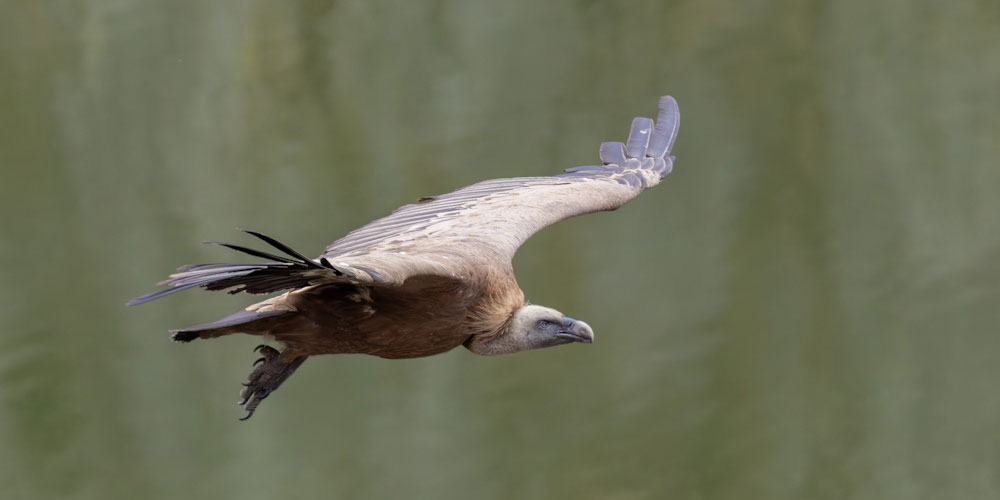
A century after vultures quietly disappeared from the mountains of Romania, conservationists have been planning their return as a key piece in restoring the ecosystem of the Carpathian Mountains. The Romanian Carpathians once supported all four European vulture species: GriEon, Cinereous, Egyptian, and Bearded. However, threats such as poisoning, habitat loss and direct persecution led […]
A century after vultures quietly disappeared from the mountains of Romania, conservationists have been planning their return as a key piece in restoring the ecosystem of the Carpathian Mountains.
The Romanian Carpathians once supported all four European vulture species: GriEon, Cinereous, Egyptian, and Bearded. However, threats such as poisoning, habitat loss and direct persecution led to the extirpation of all of these species by the early 20th century.
Foundation Conservation Carpathia (FCC), an organisation that has been restoring ecosystems in the Făgăraș Mountains since its establishment in 2009, has hatched plans to work with Vulture Conservation Foundation to reintroduce GriEon Vultures. Young birds will spend up to two years in large aviaries to acclimatise before release.
Christoph Promberger, co-founder of FCC, said: “If they are released immediately, they would just Uy oE and go somewhere else.”
He added: “The vultures are the last keystone species missing from the Romanian Carpathians.
“They’re nature’s sanitary police. They’ve been gone for 100 years, it’s time to bring them back.”
Rebuilding a wilderness ecosystem
The Southern Carpathians and the Făgăraș Mountains are now emblematic of rewilding and landscape-scale conservation in Europe thanks to the foundation’s groundbreaking work. FCC has already completed its European Bison reintroduction project, with a total of 81 individuals released in the Făgăras, and around 30 calves now born in the wild. Eurasian Beavers are growing in number thanks to a translocation project and are playing their role in making the regional ecosystem more robust.
It is hoped that vultures will move between the Carpathians and the Rhodope Mountains of Bulgaria and Greece, where they have already made a triumphant return. Indeed, ‘Helena’, a Cinereous Vulture released in Greece was tracked by GPS as she roamed into the Romanian Carpathians, highlighting the potential for connectivity between populations.
By 1986, Bulgaria was down to only three surviving pairs of GriEon Vulture. Happily, conservation eEorts since 2016 have seen the Rhodopes become a thriving stronghold. The Bulgarian Society for the Protection of Birds (BSPB) recorded 138 occupied nests in 2024 including 100 breeding pairs along the Arda River, showing what can be achieved with targeted work.
For FCC, returning vultures to the mountains is part an eEort to build living landscapes that support rural economies as well as boosting biodiversity and the integrity of ecosystems.
The 2024 FCC annual report said: “After an absence of a century, we will bring the first birds back to Romania as a sign of hope and healing. And, we will do this together with local communities, for the benefit of nature and humans.
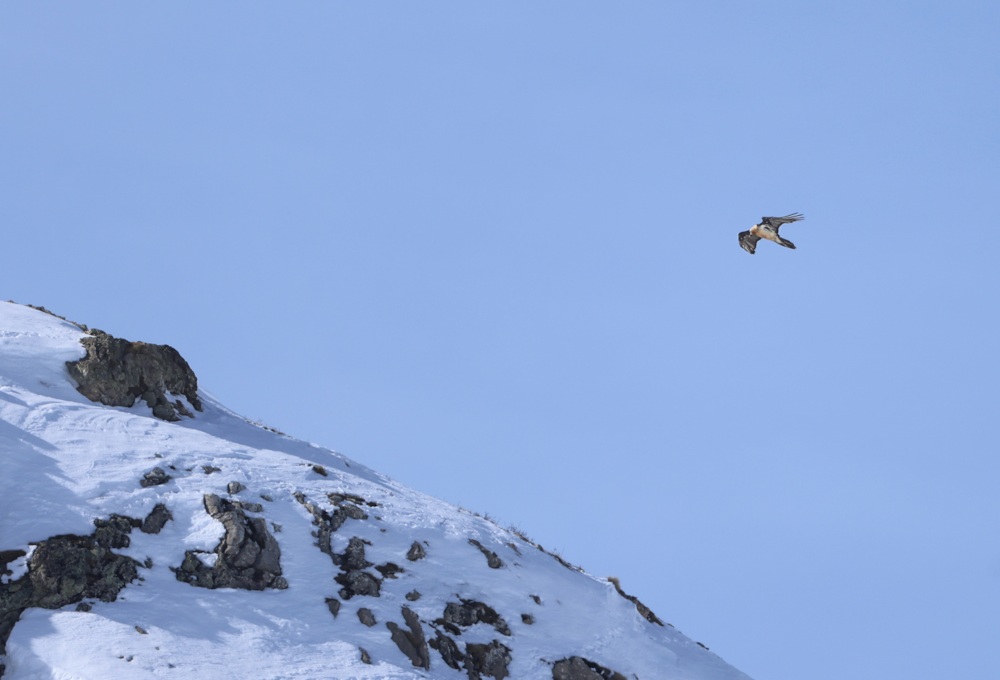
” FCC has ambitions to follow up GriEon releases with similar projects involving Cinereous and Bearded Vultures.
In the Făgăraș Mountains, as well as already reintroducing bison and translocating beavers, FCC has created hiking trails and built a network of visitor centres that provide access to nature and something for local people to be invested in. The Beaver House Visitor Centre in Rucăr, opened in 2024, was constructed with local materials by craftspeople from the area. A Bison Centre in Lereşti, where a wild herd has inspired the local football team, will be the next to open.
There are plans a little further down the line for a Vulture Visitor Centre and hides from which to view the birds. FCC hopes the return of the birds will bring even more ecotourism to the region, improving rural lives and bolstering conservation.
Promberger said: “We’re trying not just to bring the animals back, but to create an attraction where local communities can identify themselves.”
Europe’s Yellowstone
The vulture project fits with the long-term ambition held by FCC: the creation of a Făgăraș Mountains National Park, which would become one of the largest protected areas and intact ecosystems in Europe. Should this prove successful, the national park would be zoned with strict nature protection areas alongside compartments for traditional grazing and community-operated tourism, striking a balance that benefits both conservation and the livelihoods of local people.
Promberger said: “It’s the local communities who will decide whether they want the park, and many are now saying yes.”
Travel Carpathia, FCC’s ecotourism programme, is facilitating low-impact travel in the Romanian wilderness, providing visitors with a chance to explore nature as they have never have seen it before and leave lasting benefits for wildlife and communities.
Already unrivalled in Europe for its wilderness and megafauna, with thriving populations of Brown Bear, Eurasian Wolf and Eurasian Lynx, alongside the herds of European Bison and growing Eurasian Beaver population, the reintroduction of vultures will see the Carpathians become a living landscape beyond anything else in Europe.
For birders, these species will be possible in a single trip alongside all 10 of Europe’s woodpeckers and a suite of montane specialities, such as Eurasian Pygmy Owl, Hazel Grouse and Sombre Tit.
Visit the Romanian Carpathians
The European Nature Trust’s Coexistence Adventures offer a seven-day trip exploring the Romanian Carpathians at £3,500 pp + 20% for solo travellers, available in May and September 2026, with more dates coming soon. For the dates of these upcoming Coexistence Adventures visit The European Nature Trust website.
Written by: David Campbell
David Campbell works for BirdGuides and co-runs Wildstarts
Nature Ltd, a Sussex-based guiding
company: www.wildstarts.com